

Residential
EV charger installation in Sydney and NSW
Set Energy installs home and workplace EV charging across Greater Sydney and NSW. An EV charger is frequently the largest single circuit in a house, so every installation starts with a supply and switchboard assessment. As a working benchmark: single-phase 32 A charging delivers around 7 kW — roughly 40 km of range per hour; three-phase 32 A around 22 kW — roughly 120 km per hour.
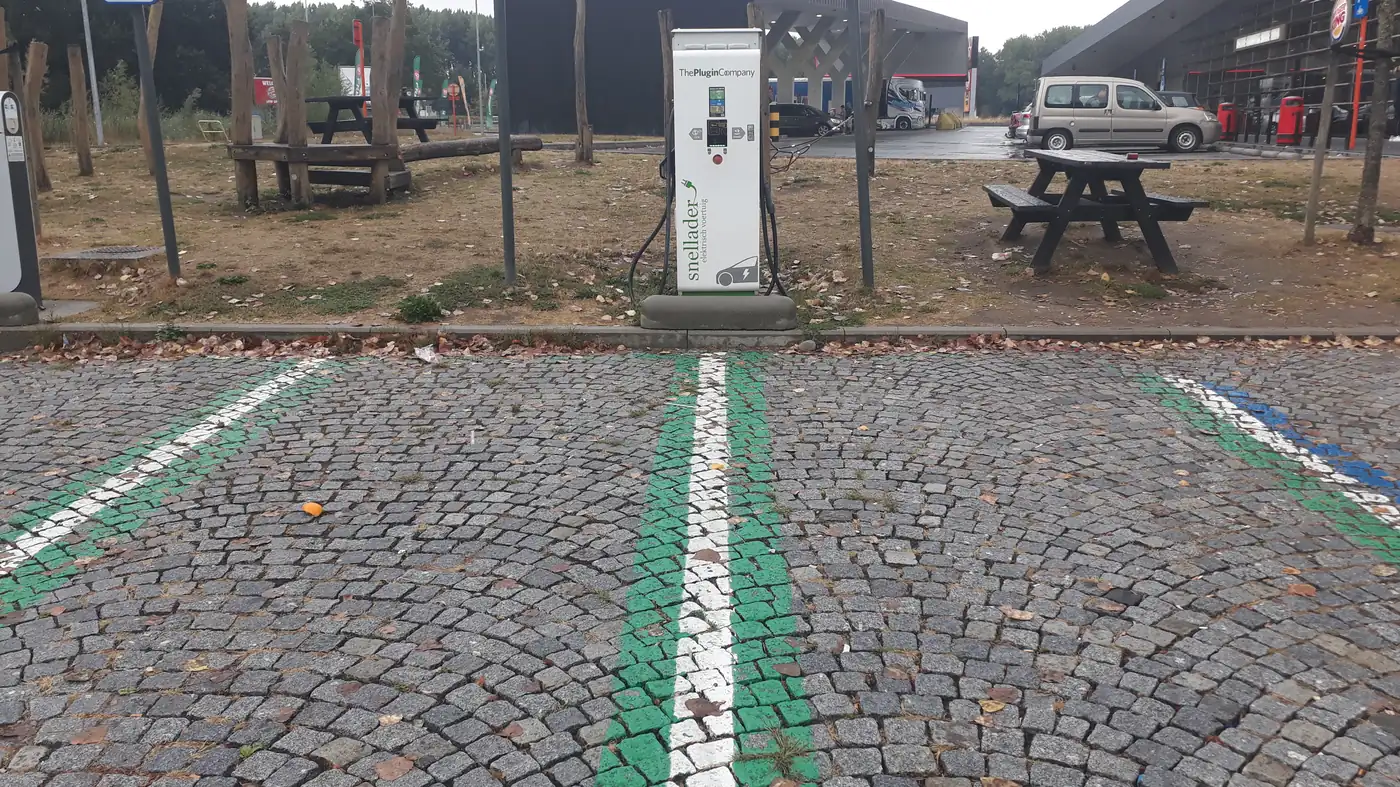
Charger installation
An EV charger is a substantial continuous load — frequently the largest single circuit in a house. Installation is not simply mounting a unit on a wall; it involves assessing whether the existing supply and switchboard can carry the load, and what happens when the charger runs at the same time as everything else.
- Supply capacity assessment — main switch rating, existing load, single or three phase.
- Switchboard — space for the required protective device, RCD type appropriate to EV charging.
- Cable route and sizing — garage, carport or driveway, with voltage drop calculated over the run.
- Load management where the supply cannot carry the charger at full output alongside peak household load.
Charging from solar
The cheapest kilowatt-hour you can put into a vehicle is one generated on your own roof and consumed directly, without passing through a battery. Where the vehicle is home during the day — work-from-home households, second cars, weekends — solar-matched charging that follows available surplus is worth setting up properly.
Where the vehicle is only home overnight, the calculus changes. Adding panels usually beats adding storage, because the overnight charging load is large enough that routing it through a battery adds round-trip losses to energy you would need to store anyway.
SequencingIf you are planning solar, a battery and an EV charger over a few years, have the supply and switchboard conversation once at the start. Three separate upgrades cost considerably more than one.
Single phase versus three phase
| Supply | Typical AC charger output | Practical effect |
|---|---|---|
| Single phase, 32 A | Around 7 kW | Adds roughly 40 km of range per hour |
| Three phase, 32 A | Around 22 kW | Adds roughly 120 km of range per hour |
Vehicle onboard chargers vary and many single-phase vehicles cannot use the full three-phase rate. Check the vehicle specification before paying for capability it cannot use.
Common questions
Do I need three phase to charge an EV at home?
No. A single-phase charger at around 7 kW adds roughly 40 km of range per hour, which covers overnight charging for most driving patterns comfortably. Three phase is worth considering if you drive high daily distances or are upgrading the supply anyway.
Can I charge my EV directly from solar?
Yes, with a charger that supports solar-matched or surplus-following charging. It works best when the vehicle is at home during daylight hours. For overnight charging, adding panels generally makes more sense than routing the load through a battery.
Will an EV charger overload my switchboard?
It can, which is why the supply capacity assessment comes first. Where the existing supply cannot carry the charger at full output alongside peak household load, load management devices reduce charger output dynamically rather than requiring a supply upgrade.
Can I install an EV charger myself?
No. EV charger installation is electrical wiring work and must be carried out by a licensed electrician in NSW, certified with a Certificate of Compliance for Electrical Work. Beyond legality, the supply capacity assessment is the part that prevents overloaded mains and nuisance tripping — it is most of the value of a professional install.
What does EV charger installation cost depend on?
The cable run from switchboard to charging position, switchboard space and the protective devices required, single versus three phase, and whether load management is needed because the supply cannot carry the charger alongside peak household load. A charger on the far side of the house from the switchboard can cost more to wire than to buy.
Get a proper assessment
Send us twelve months of bills and a photo of your switchboard and roof. We will tell you what is worth doing, in what order — including where the answer is to wait.