

Residential
Hybrid and off-grid solar systems in NSW
A hybrid system pairs solar and battery storage behind one grid-connected inverter; an off-grid system stands alone with no grid at all. Set Energy designs and installs both across NSW — hybrid where the grid remains your backstop, standalone power where connecting or upgrading the network run costs more than independence.
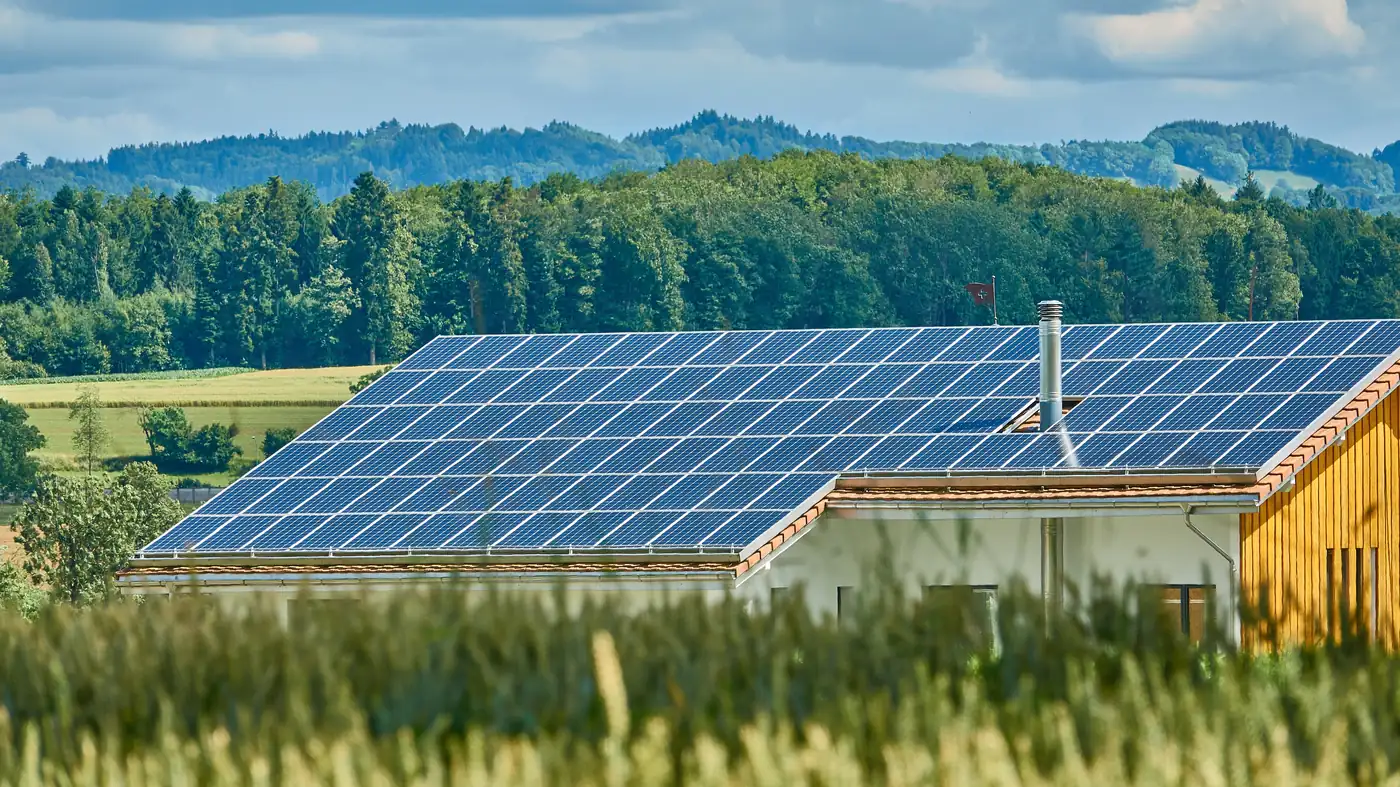
Hybrid systems
A hybrid system uses a single inverter to manage solar generation, battery charge and discharge, and grid interaction. Compared with adding an AC-coupled battery later, a hybrid inverter installed from the start is more efficient for DC-coupled storage and simpler to control — at the cost of putting more functionality behind a single point of failure.
We recommend hybrid inverters where storage is planned within a short horizon, and standard string inverters where it is genuinely uncertain. Paying the hybrid premium for a battery that never arrives is a poor outcome; so is replacing a two-year-old inverter.
Backup and essential circuits
Grid-connected systems shut down during an outage by design — anti-islanding protection exists to keep network workers safe. Backup capability requires additional equipment: a backup port or changeover device, a dedicated essential-loads circuit, and correct isolation.
Decisions to make at design stage:
- Which circuits are essential — typically fridge, lighting, communications and selected outlets.
- Whether solar can recharge the battery during an extended outage, which not all systems support.
- Starting current for any motor loads, which can exceed continuous inverter output even where average consumption is modest.
Off-grid and standalone power
Off-grid design is a different discipline from grid-connected work. There is no grid to absorb error, so the system must be sized for the worst realistic case rather than the average one.
| Input | Why it drives the design |
|---|---|
| Daily energy use, by season | Sets generation and storage requirement |
| Days of autonomy required | Sets storage capacity for consecutive poor-weather days |
| Peak instantaneous demand | Sets inverter power rating, often the binding constraint |
| Motor starting currents | Bore pumps and compressors need surge headroom |
| Generator backup | Whether a generator is acceptable changes storage sizing substantially |
| Site access | Affects both installation cost and serviceability |
Where a grid connection exists but is expensive to upgrade, it is worth pricing both paths properly. A network extension quote and a standalone system quote are frequently closer than people assume.
Common questions
What is the difference between a hybrid and an off-grid system?
A hybrid system is grid-connected with battery storage — the grid remains available as backup. An off-grid or standalone system has no grid connection at all, so it must be sized to cover the worst realistic run of poor weather rather than the average day.
Why does my solar shut off during a blackout?
Anti-islanding protection required by AS/NZS 4777 shuts grid-connected inverters down during an outage so they cannot energise network conductors while workers are on them. Backup operation requires additional equipment and correct isolation.
Can I go off-grid to avoid electricity bills?
Technically yes, but for a property with an existing, functioning grid connection it rarely stacks up financially. Off-grid economics are strongest where a connection does not exist and extending the network would be expensive.
Will my air conditioner run on backup power?
Often not, or not reliably. Motor starting currents can exceed a battery inverter's continuous output even when average consumption is modest. This should be specified at design stage rather than discovered during an outage.
How much can a backup system actually run at once?
Whatever the inverter’s backup output allows — commonly around 5 kW on a single-phase home, regardless of how many kilowatt-hours the battery holds. Energy decides how long you last; power decides what you can switch on. That distinction is why an oven and a kettle together can reach the ceiling while the battery is still nearly full, and why motor starting current, not average load, determines whether a pump or compressor will start at all. On a three-phase property, usually only one phase is backed up unless three-phase backup was specified.
How big does an off-grid system need to be?
Off-grid sizing starts from your worst season, not your average day: daily consumption by season, days of autonomy through consecutive poor weather, peak instantaneous demand, and motor starting currents for pumps and compressors. There is no grid to absorb an undersized design — which is why a properly designed off-grid system always looks oversized next to a grid-connected one.
Get a proper assessment
Send us twelve months of bills and a photo of your switchboard and roof. We will tell you what is worth doing, in what order — including where the answer is to wait.