

Commercial
Commercial solar in NSW, modelled on your interval data
Set Energy designs and installs commercial solar for warehouses, manufacturing, retail and agriculture across NSW. The financial model comes first: twelve months of interval data, your tariff structure and your demand charge arrangement — because self-consumption ratio, not system size, is what determines whether the project pays.
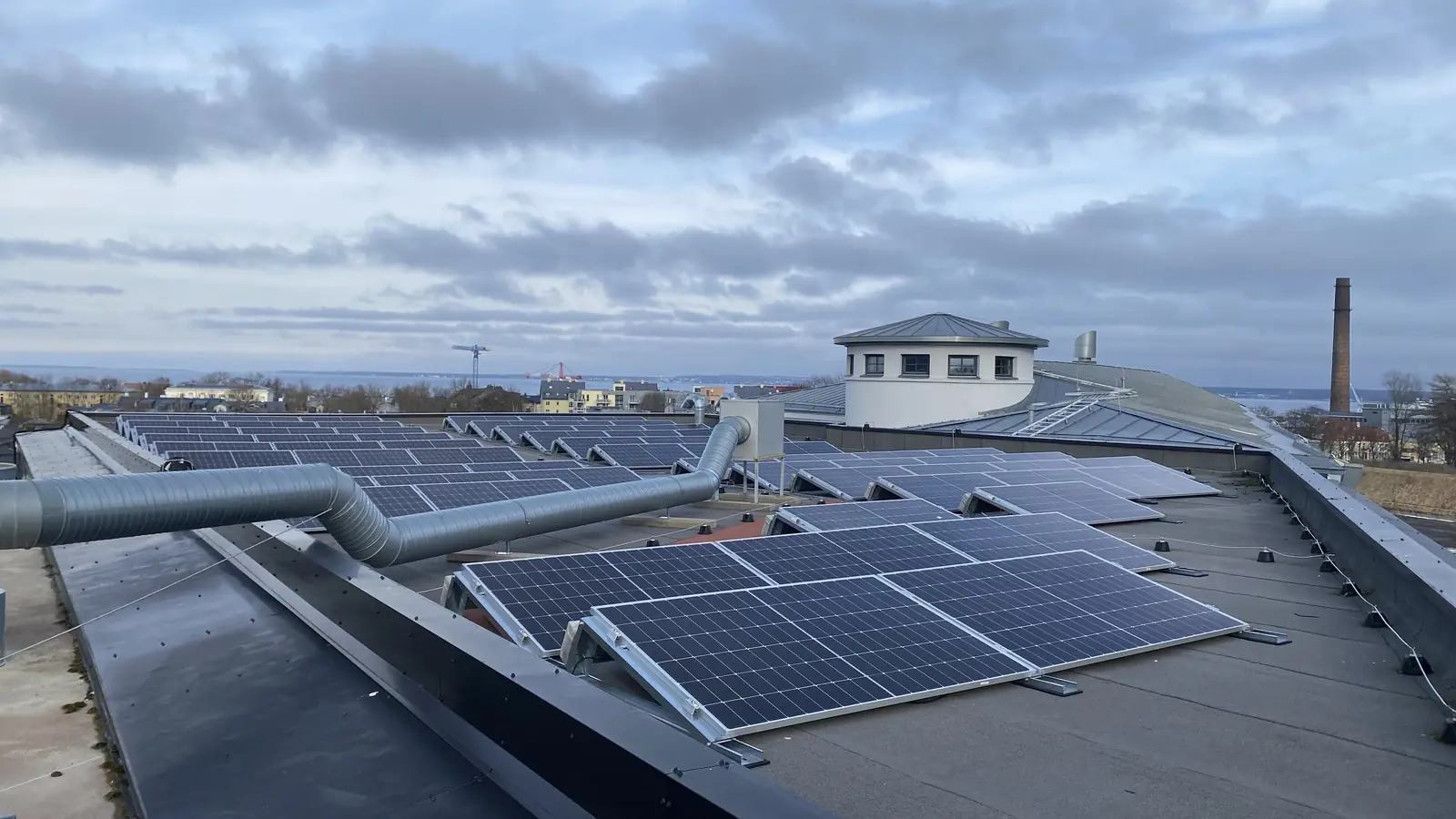
How we approach a commercial project
Commercial solar is a financial decision supported by an engineering one, and we run it in that order. Before any array is designed we work from twelve months of interval data, your tariff structure and your demand charge arrangement — because self-consumption ratio, not system size, is what determines the outcome.
The full modelling method is set out in commercial solar payback in NSW, including the demand-charge behaviour that catches most proposals out.
Sectors we work in
| Sector | Characteristic | Design implication |
|---|---|---|
| Warehousing and logistics | Large roof, modest base load | Size to load, not to roof; consider staging |
| Manufacturing | Strong daytime block load | High self-consumption; strong candidate |
| Cold storage | Flat, high, continuous | Excellent fit; check demand tariff structure |
| Retail and hospitality | Daytime with evening tail | Storage often improves the result materially |
| Agriculture and irrigation | Seasonal, pump-driven | Match generation to irrigation schedule |
| Strata and mixed use | Split common and tenant metering | Metering arrangement determines who benefits |
The 100 kW threshold
Systems up to 100 kW create Small-scale Technology Certificates, deemed upfront and applied as an immediate discount. Above 100 kW the system creates Large-scale Generation Certificates instead, earned annually on metered output and requiring accreditation and ongoing reporting. This is a genuine discontinuity in project structure, not a smooth scaling — and it should be decided deliberately at feasibility stage.
Connection
Commercial connection outcomes are less predictable than residential ones, and zero-export arrangements are common where the local network has no capacity. We establish the likely connection outcome before finalising the financial model, because a business case built on export revenue that is subsequently disallowed is not a business case. See NSW export limits and DNSP connection rules.
Common questions
What size commercial solar system do we need?
It is determined by your load shape, not your roof area. The objective is to maximise self-consumption, because energy used on site is worth your full import rate while exported energy earns only a feed-in tariff — often a fifth as much or less. Twelve months of interval data is the starting point.
Do you handle the network connection application?
Yes. We lodge the embedded generation application with the relevant distributor and confirm the approved export arrangement before the financial model is finalised.
Can we install solar on a leased building?
Yes, subject to landlord consent, and the structure matters. Where the remaining lease term is shorter than the payback period, workable approaches include a landlord contribution, a rent adjustment or a power purchase arrangement. It is worth resolving before installation.
Should we stay under 100 kW?
Frequently, but not always. Below 100 kW the certificate benefit is deemed upfront as a discount; above it, the benefit is earned annually as LGCs with accreditation and reporting obligations. For many sites two stages under the threshold works better than one larger system, but sites with genuinely large loads are better served by the larger system.
What payback period should we expect from commercial solar?
For a site with a strong daytime load and high self-consumption, three to five years is achievable in NSW. For a site that exports heavily or whose demand peak falls outside generation hours, it stretches well beyond that. The self-consumption ratio matters more than the system price — the full modelling method is in our commercial payback guide.
Get a proper assessment
Send us twelve months of bills and a photo of your switchboard and roof. We will tell you what is worth doing, in what order — including where the answer is to wait.